Journal Article2024
A Behavioral Advantage for the Face Pareidolia Illusion in Peripheral Vision
Blake W. Saurels, Natalie Peluso
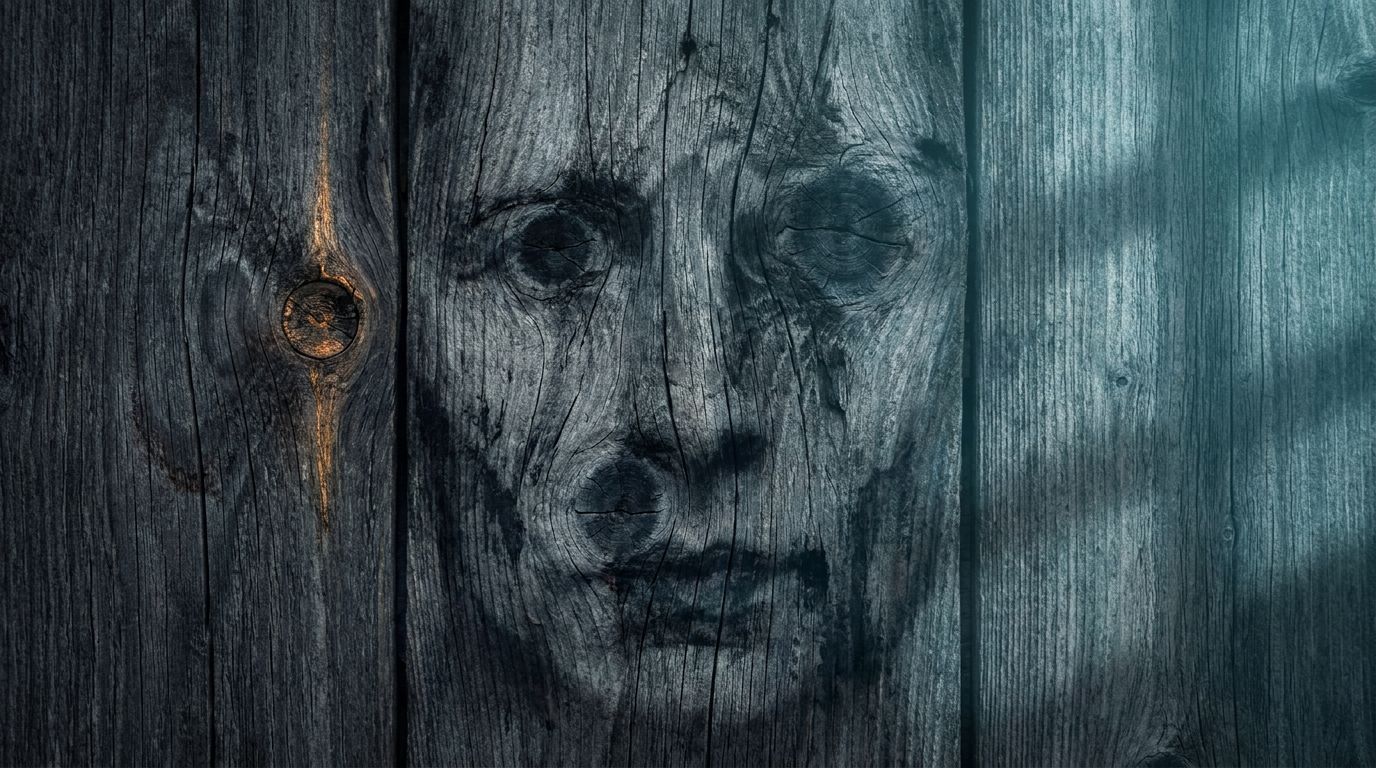
Faces seen in clouds, wood grain, or shadows — a phenomenon called pareidolia — turn out to be detected faster in our peripheral vision than real objects placed in the same location. This 2024 open-access study from the University of Queensland finds that the face-detection system in the human brain is so finely tuned that it triggers a measurable processing advantage even for illusory faces, helping explain why peripheral "glimpses" are particularly prone to misidentification.