Do Places Remember Trauma? The Science of Residual Hauntings and Energy Imprints
Have you ever walked into an old building and felt an overwhelming sense of sadness or unease, even though nothing obvious was wrong? Many people have. Some call these places "haunted." Others wonder
Have you ever walked into an old building and felt an overwhelming sense of sadness or unease, even though nothing obvious was wrong? Many people have. Some call these places "haunted." Others wonder if the building itself somehow remembers what happened there.
This idea — that strong emotions or traumatic events can leave a lasting "imprint" on a location — is one of the most fascinating concepts in paranormal research. It's often called the "Stone Tape" theory or residual haunting. But what does the actual research say?
What Are Residual Hauntings?
Researchers divide ghostly experiences into two broad types:
- Intelligent hauntings: Where the "ghost" seems aware of you and can interact (like answering questions or moving objects on purpose).
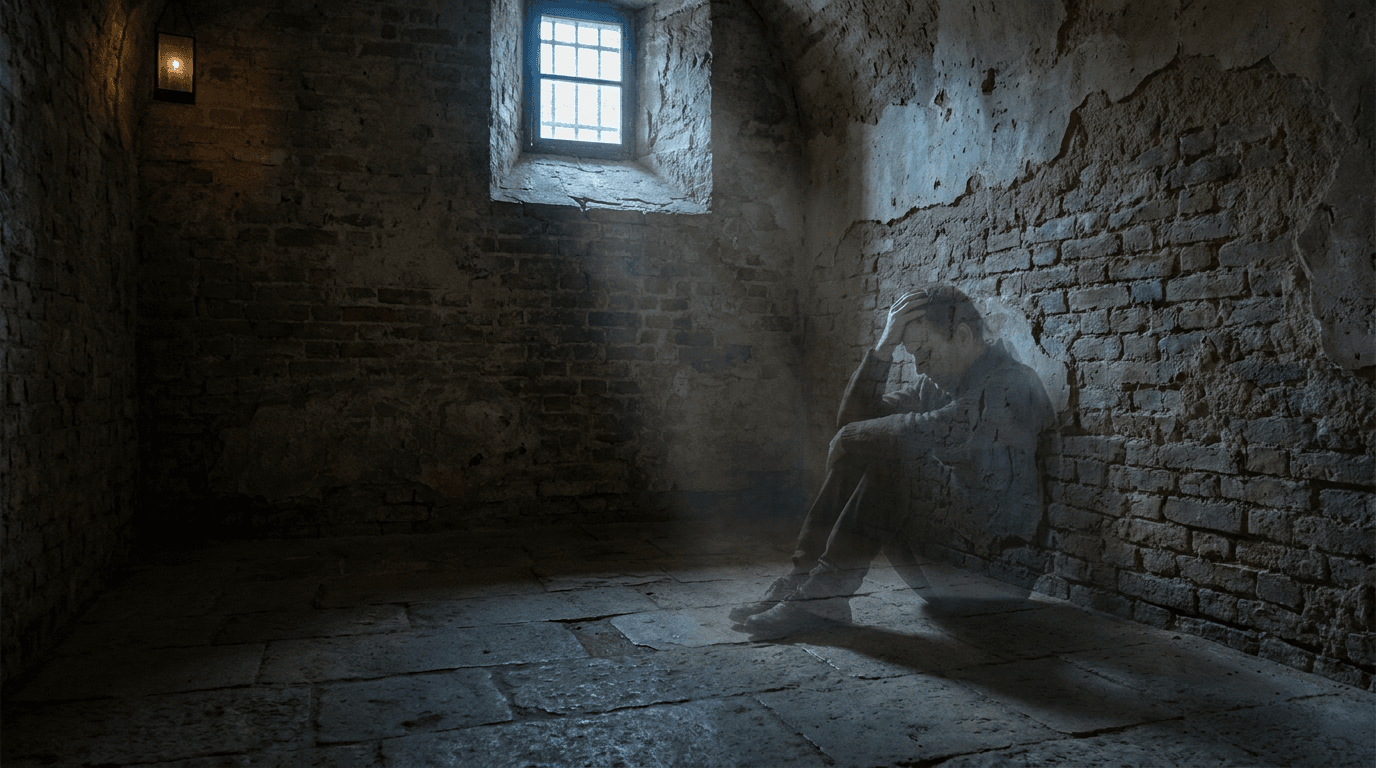
- Residual hauntings: Where the same scene or figure plays out over and over again, like a recording on a loop. The figure doesn't notice you and can't interact.
Residual hauntings are by far the more commonly reported type. Classic examples include seeing the same Victorian woman walking down the same staircase at the same time every night, or hearing the same battle sounds in a particular field.
The "Stone Tape" Idea
The popular explanation is that certain materials — especially stone, brick, or water — can somehow record strong emotional events, similar to how a tape recorder captures sound. Later, under the right conditions (specific times of day, certain people, or particular atmospheric conditions), the recording replays.
This idea has been around for over a century and was popularized in the 1970s. While it sounds almost science-fiction, researchers have looked for real mechanisms that could explain it.
What Does the Research Actually Show?
Studies on "haunted" locations have found some interesting patterns:
Environmental factors matter a lot. Locations with reports of residual phenomena often have measurable physical characteristics in common: - Infrasound (very low-frequency sound below what humans can consciously hear) - Unusual electromagnetic fields - Specific geological features (like proximity to fault lines) - Certain lighting conditions or temperature gradients
These factors can affect the human brain and body. Infrasound, for example, can create feelings of anxiety, dread, or even visual distortions in some people. Electromagnetic fields have been linked to sensations of a presence in laboratory studies.
Psychological factors are equally important. Expectation plays a huge role. When people believe a place is haunted, they're much more likely to interpret normal sounds, shadows, or feelings as paranormal. Grief, suggestion, and cultural stories about a location all shape what people experience.
Some cases are harder to explain. There are well-documented reports where multiple independent witnesses (sometimes across many years) describe seeing exactly the same figure doing exactly the same thing in the same place. These consistent "recordings" are harder to dismiss as simple expectation or suggestion.
The Current Scientific View
Most researchers today believe that residual-type experiences usually result from a combination of factors:
- Real environmental conditions that affect perception and mood
- Psychological suggestion and expectation
- Normal misperceptions amplified by atmosphere and storytelling
However, a smaller number of cases — particularly those with very consistent details reported by unrelated witnesses over long periods — continue to puzzle researchers. Some scientists are exploring whether certain materials or geological conditions might genuinely record and later trigger perceptual experiences in sensitive people.
Why This Matters
Understanding residual phenomena isn't just about ghosts. It helps us understand how human beings perceive and interpret the world around them. It shows how powerfully places can affect us emotionally and perceptually. And it reminds us that many "haunting" experiences may have natural explanations we simply haven't fully mapped yet.
At the same time, the most compelling cases suggest there may be aspects of consciousness and memory that we still don't fully understand — whether those involve the environment "recording" events or something even stranger.
Want to Go Deeper?
If you'd like the full academic treatment with all the research papers and citations behind this topic, you can download the complete literature reviews here: - Energy Imprints & Residual Phenomena - Location-Based Patterns & Case Studies - Environmental & Physical Factors
These are written for researchers but contain all the sources and detailed analysis.
What do you think? Have you ever experienced a place that felt like it "remembered" something? I'd love to hear your thoughts in the comments.
This article is part of a series making paranormal research more accessible. All claims are based on peer-reviewed studies and scholarly sources.