External seller information. PRN does not sell this product and does not imply endorsement.
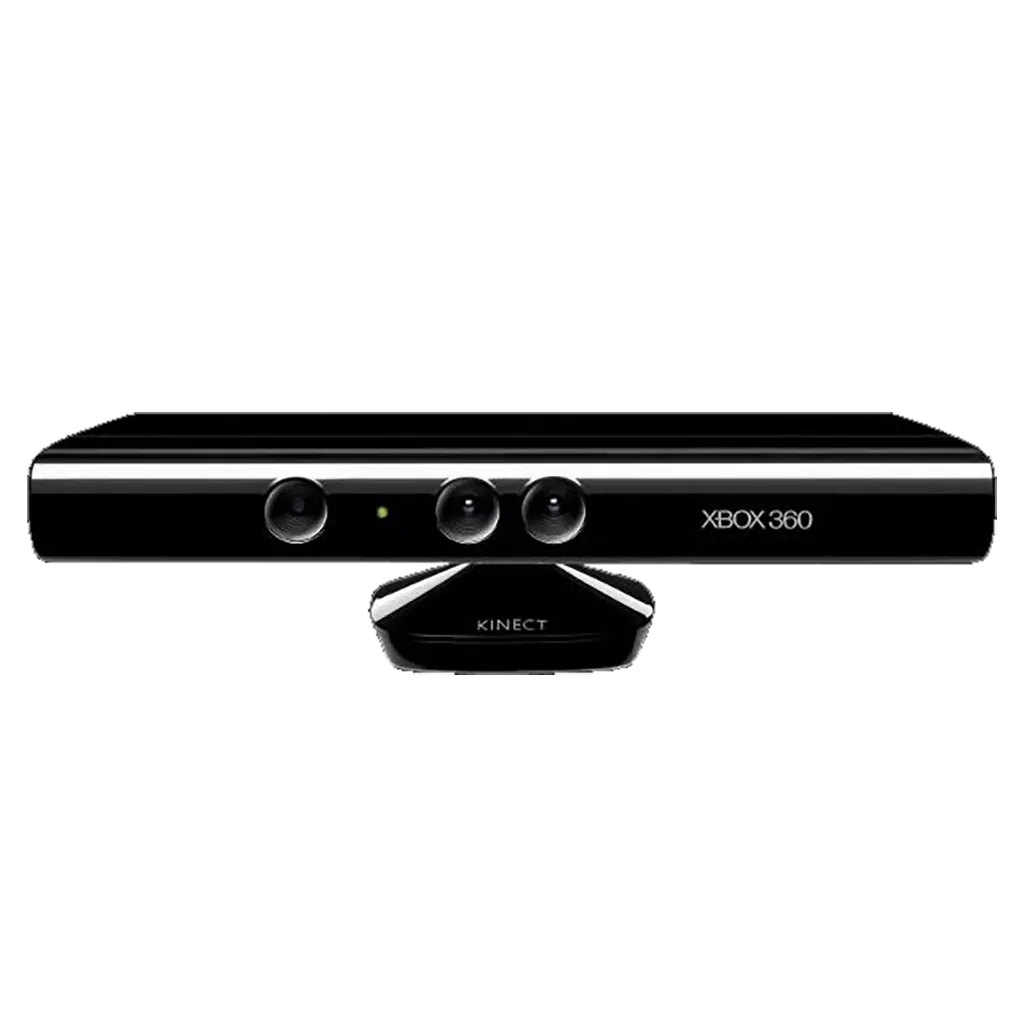
Entry-level SLS structured light sensor camera for detecting stick figure shapes during fieldwork
External seller
Seller & availability
External seller information. PRN does not sell this product and does not imply endorsement.
This product is sold by an external seller. PRN hosts directory information only and does not process purchases.
Field reference
Potential Field-Use Benefits
A refurbished Kinect sensor used as the camera for SLS skeletal-tracking setups. SLS overlays are well known to generate false stick figures on ordinary objects and should be treated with strong scepticism.
PRN has not tested or reviewed this product. This information is provided for reference only.
Windows PC/laptop/tablet, software & cables (not included)
Understanding the tech
How it works
This category spans three distinct imaging technologies, plus laser-grid tools. The relevant section(s) apply to a given product:
Thermal imagers detect long-wave infrared radiation emitted by objects according to their surface temperature and render it as a false-colour image. They measure surface heat — they do not "see" cold spots in the air directly and they cannot see through most solid materials.
SLS / structured-light cameras descend from the Microsoft Kinect. The camera projects a grid of infrared dots into the scene and measures how the pattern distorts to build a depth map; software originally written for gaming then tries to fit a human skeleton to that depth data and draws it as a stick figure. It is a body-tracking algorithm running on a depth sensor — not a sensor for anything paranormal.
Full-spectrum and IR night-vision cameras have had the infrared-blocking filter removed (or use IR illuminators) so they record near-infrared light the eye cannot see, which is why they need an IR light source to "see" in the dark.
Laser-grid projectors cast a fixed matrix of dots across a space so the eye or a camera can spot an object moving through the grid by the way it breaks or warps the pattern.
Use with care
Limitations
Thermal:
- Cannot see through glass, mirrors or most walls — glass is highly reflective in infrared, so the camera reads heat reflected off the glass, not what is behind it.
- Highly reflective / low-emissivity surfaces (shiny metal, glass) give inaccurate temperatures.
- Water and damp patches read cold and can look like a "cold spot" or even a hole in the floor.
SLS / structured light:
- The skeleton-tracking software is prone to false positives. It will fit stick figures to chairs, coat racks, potted plants, curtains, vacuum cleaners and other inanimate shapes.
- "Dancing" or jittery skeletons are sensor noise: the Kinect is guessing joint positions with high uncertainty and re-guessing as points drop out — not a figure "moving."
- Range, lighting and reflective surfaces all degrade depth accuracy.
Full-spectrum / IR:
- Need an IR illuminator in darkness; IR light reflects off dust, insects and moisture, producing "orbs" and streaks.
Read the data critically
Common false positives
Thermal: reflections in glass/metal/TV screens; investigator or recent heat sources (hand prints, seats); damp patches and draughts reading as cold spots.
SLS: stick figures locked onto furniture and everyday objects; jitter from sensor noise; another person or the operator partially in frame.
Full-spectrum / IR: "orbs" from dust, pollen, insects, moisture or rain close to the lens; IR-light flare and lens reflections.
Laser grid: insects, dust and air movement disturbing the dots; the projector itself shifting.
Best practice: in thermal, set emissivity correctly, watch for your own reflection, and never trust a reading through glass; with SLS, walk the room first to see which static objects already trigger stick figures and treat figures appearing on known objects as artefacts; with IR, expect dust orbs and rule them out before logging. None of these instruments is validated as a paranormal detector — each is a conventional imaging tool with well-understood failure modes.
PRN has not tested or reviewed this product. This guidance describes the device class and is provided for reference only.
Paranormal Response Network is not a seller, reseller, certifier, or safety authority for any equipment shown here. Listings may include vendor-submitted, sponsored, affiliate-linked, imported, or externally sourced information. Presence in this directory does not mean PRN has tested, endorsed, or approved any product or vendor.